As August arrived, the Filibot team entered a deeply thoughtful phase. With several milestones already behind them—functional games, a coded website, and field-tested activities—it was time to pause, evaluate, and evolve. The energy of creation gave way to a quieter, more deliberate rhythm of refinement and reflection.
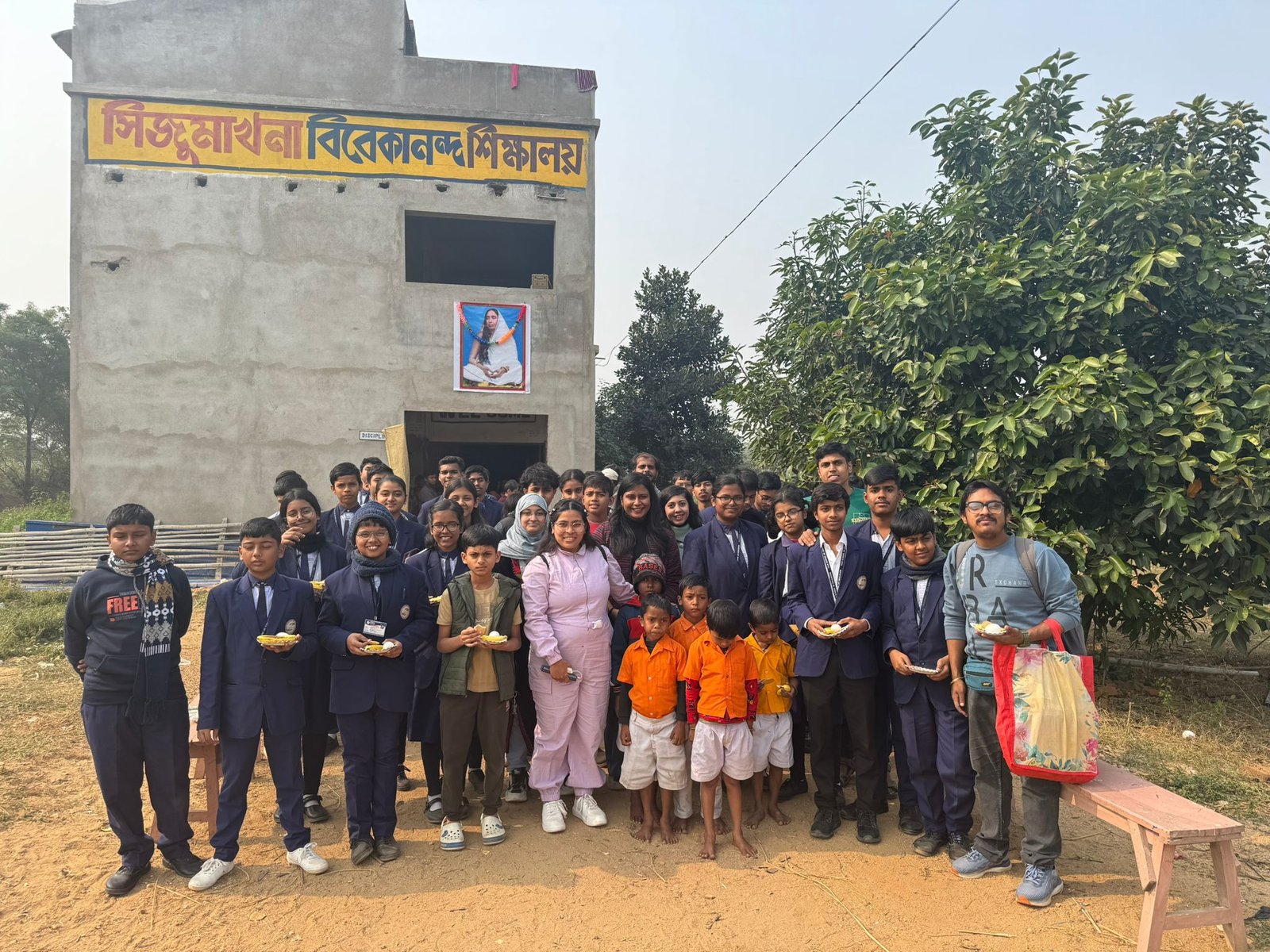
One of the team’s main focuses this month was playtesting. The game Space Trivia had now made its way into real classrooms at The Filix School. Feedback poured in from students and teachers. While the core concept was engaging, the team quickly realized that some mechanics were too complex for younger learners. This prompted a meaningful pivot: they began redesigning the games in modular formats, allowing easy adaptation for multiple age groups and learning levels.
Recognizing that Filibot had grown beyond a short-term project, the team began documenting everything — from design processes and coding decisions to educational frameworks and user testing insights. These handbooks, guides, and project logs laid the foundation for future contributors and ensured that the work was not only creative but also sustainable and scalable.
At this stage, accessibility and usability became core design values. Every decision—whether UI placement or activity structure—was now viewed through the lens of the end user: rural school students, teachers, and future student developers.
August also marked an exciting shift in Filibot’s vision: from building games to analyzing learning. Led by mentor Rittick Basak, the team began exploring government education datasets to understand broader learning trends and identify skill gaps. Could Filibot go beyond games and become a tool for data-informed learning support?
Adding to this renewed momentum were two new participants from Filix Academy: Dipendu Das and Jayanta Das. Their fresh energy and perspective helped broaden the scope of what Filibot could become.
As the month unfolded, the team continued to grow — not just in output, but in mindset. They tackled:
Challenges were real: school schedules clashed with project work, real-time testing was limited, and new ideas demanded time. But they navigated it with teamwork, breaking roles by strengths (design, writing, coding, research) and embracing modular strategies to stay agile.
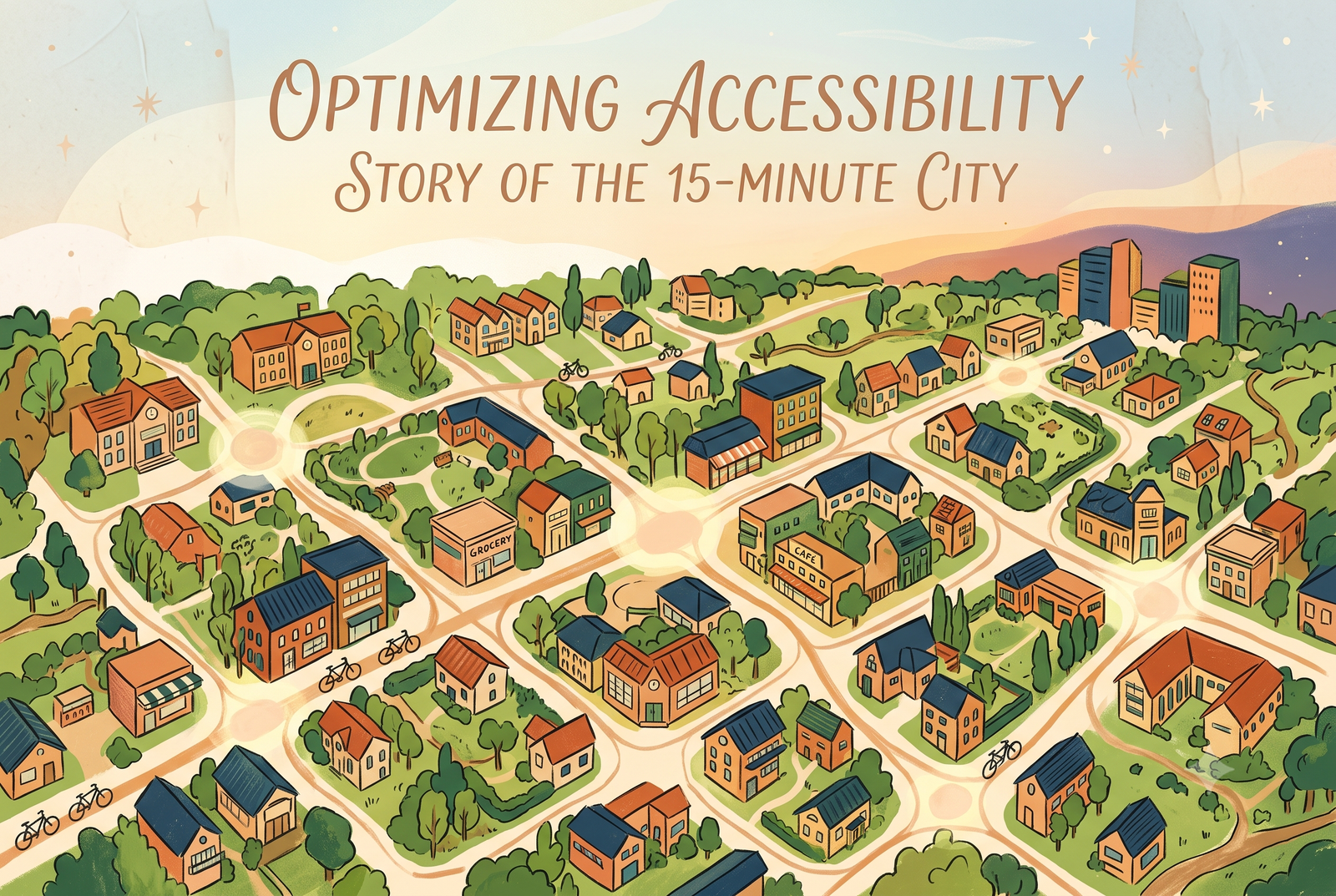
Her project on quantum-accelerated Steiner trees for 15-minute cities earned a place among the finalists at the world's largest pre-college STEM competition. Prishaa Shrimali of Marymount School of New York, was selected as a Grand Finalist at the 2026 Regeneron International Science and Engineering Fair (ISEF) in Phoenix, Arizona. Her project was Optimizing Urban Accessibility: […]
In 2026, the following Cheenta students have been successful for Indian Statistical Institute's M.Stat Entrance. They ranked within the first 50 in the entire country in these entrances. I.S.I. M.Stat Entrance
In 2026, the following Cheenta students have been successful for Indian Statistical Institute's B.Stat Entrance and Chennai Mathematical Institute's B.Sc. Math Entrance. They ranked within the first 200 in the entire country in these entrances. Most of these students attended the problem solving workshops regularly, which happen 5 days every week. CMI B.Sc. Math Entrance […]

In 2025, 8 students from Cheenta Academy cracked the prestigious Regional Math Olympiad. In this post, we will share some of their success stories and learning strategies. The Regional Mathematics Olympiad (RMO) and the Indian National Mathematics Olympiad (INMO) are two most important mathematics contests in India.These two contests are for the students who are […]