Lung Tumor Detection using Computer Vision: Cheenta Research Program
 Join Trial or Access Free ResourcesJoin Trial or Access Free Resources
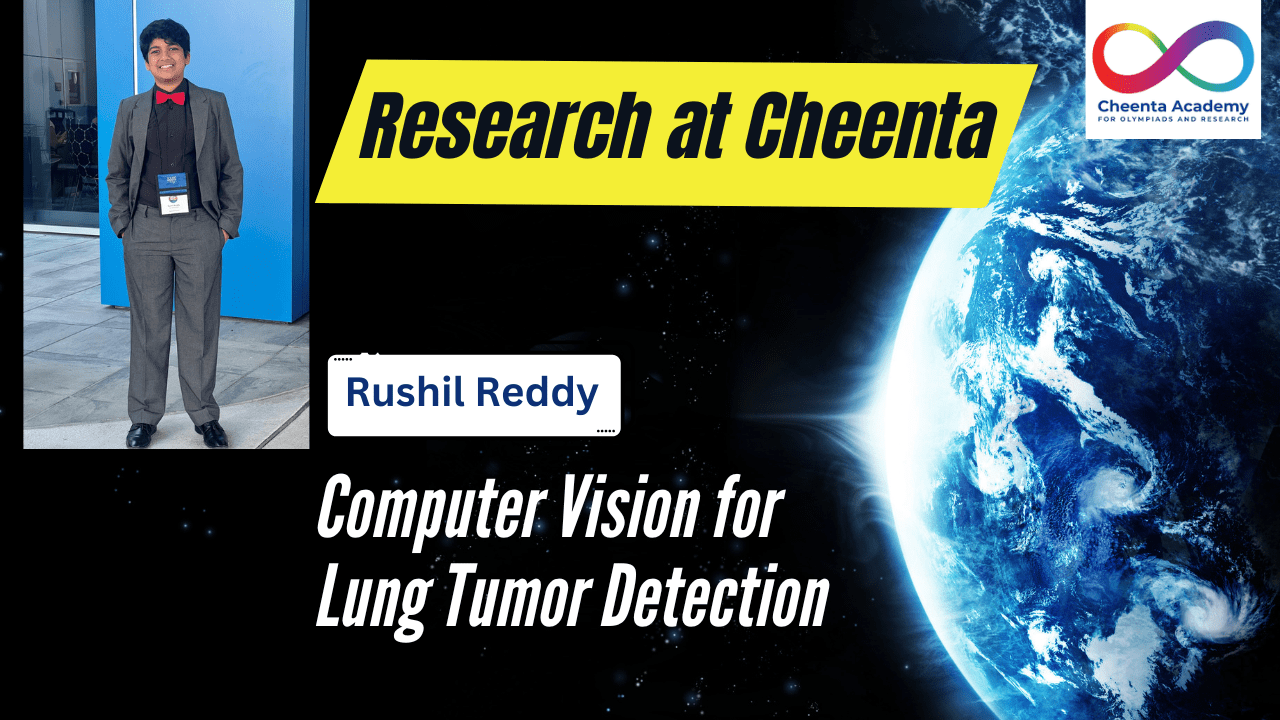
Artificial intelligence (AI) is making significant advancements in medicine. One young researcher, Rushil Reddy, a 10th grader from Germantown Academy, is contributing to this progress with an AI project designed to improve lung cancer detection. His work earned him second place at the Pennsylvania Junior Academy of Science (PJAS) competition, marking the beginning of an exciting journey.
Rushil has always been passionate about science, especially medicine, inspired by his father, a doctor. He combined this interest with machine learning to develop a project that enhances lung cancer detection using AI.
Lung cancer remains one of the leading causes of cancer-related deaths in the U.S. Early detection significantly increases survival rates. Doctors typically use CT and PET scans to identify abnormalities. However, determining whether a tumor is cancerous or benign requires time and expertise. Rushil aimed to speed up this process and improve accuracy with AI.
Rushil’s project optimizes machine learning models to detect lung tumors. His approach improves the screening process, which involves:
Rushil’s AI model automates the final step. Instead of manually analyzing scans, the AI extracts key features and predicts the probability of cancer. This allows doctors to make faster and better-informed decisions.
A key tool in this project is the Brock Model, a widely used predictive model for lung cancer. This model evaluates several factors, including:
Rushil’s AI model extracts these features from CT and PET scans. It then applies this data to the Brock Model to determine the likelihood of cancer. As a result, doctors can decide whether additional tests, such as a biopsy, are necessary.
Although the project has already shown promising results, Rushil plans to make further improvements. His next steps include:
Beyond building an AI model, Rushil’s work focuses on making AI decisions more transparent for doctors. Many medical professionals hesitate to rely on AI-based diagnoses because they do not fully understand how models reach conclusions. By aligning AI with well-established medical methods, Rushil ensures greater trust in its results.
This project highlights how young innovators contribute to medical advancements. Rushil’s work bridges the gap between AI and healthcare, making cancer detection faster and more accessible. As research continues, AI is set to revolutionize early cancer detection and diagnosis.
Publishing original scientific research in a peer-reviewed journal is an achievement many scholars work toward for years. Achieving this feat early in one's academic journey requires exceptional intellectual rigor, creativity, and persistence. Aaditya Punatar and Muskan Sadana have reached this remarkable milestone, successfully publishing their collaborative research paper in the prestigious Journal of Emerging Investigators […]
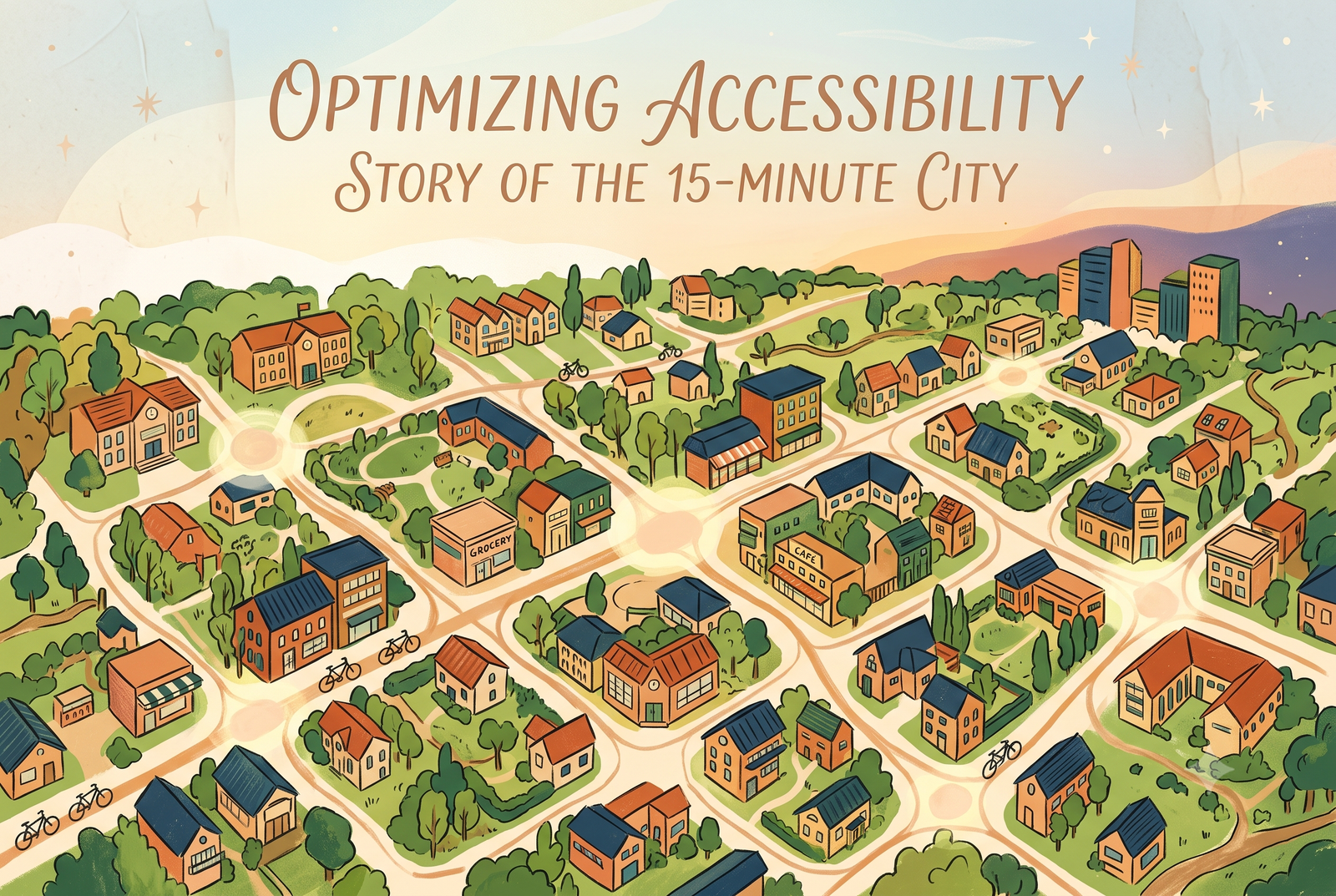
Her project on quantum-accelerated Steiner trees for 15-minute cities earned a place among the finalists at the world's largest pre-college STEM competition. Prishaa Shrimali of Marymount School of New York, was selected as a Grand Finalist at the 2026 Regeneron International Science and Engineering Fair (ISEF) in Phoenix, Arizona. Her project was Optimizing Urban Accessibility: […]
In 2026, the following Cheenta students have been successful for Indian Statistical Institute's M.Stat Entrance. They ranked within the first 50 in the entire country in these entrances. I.S.I. M.Stat Entrance
In 2026, the following Cheenta students have been successful for Indian Statistical Institute's B.Stat Entrance and Chennai Mathematical Institute's B.Sc. Math Entrance. They ranked within the first 200 in the entire country in these entrances. Most of these students attended the problem solving workshops regularly, which happen 5 days every week. CMI B.Sc. Math Entrance […]