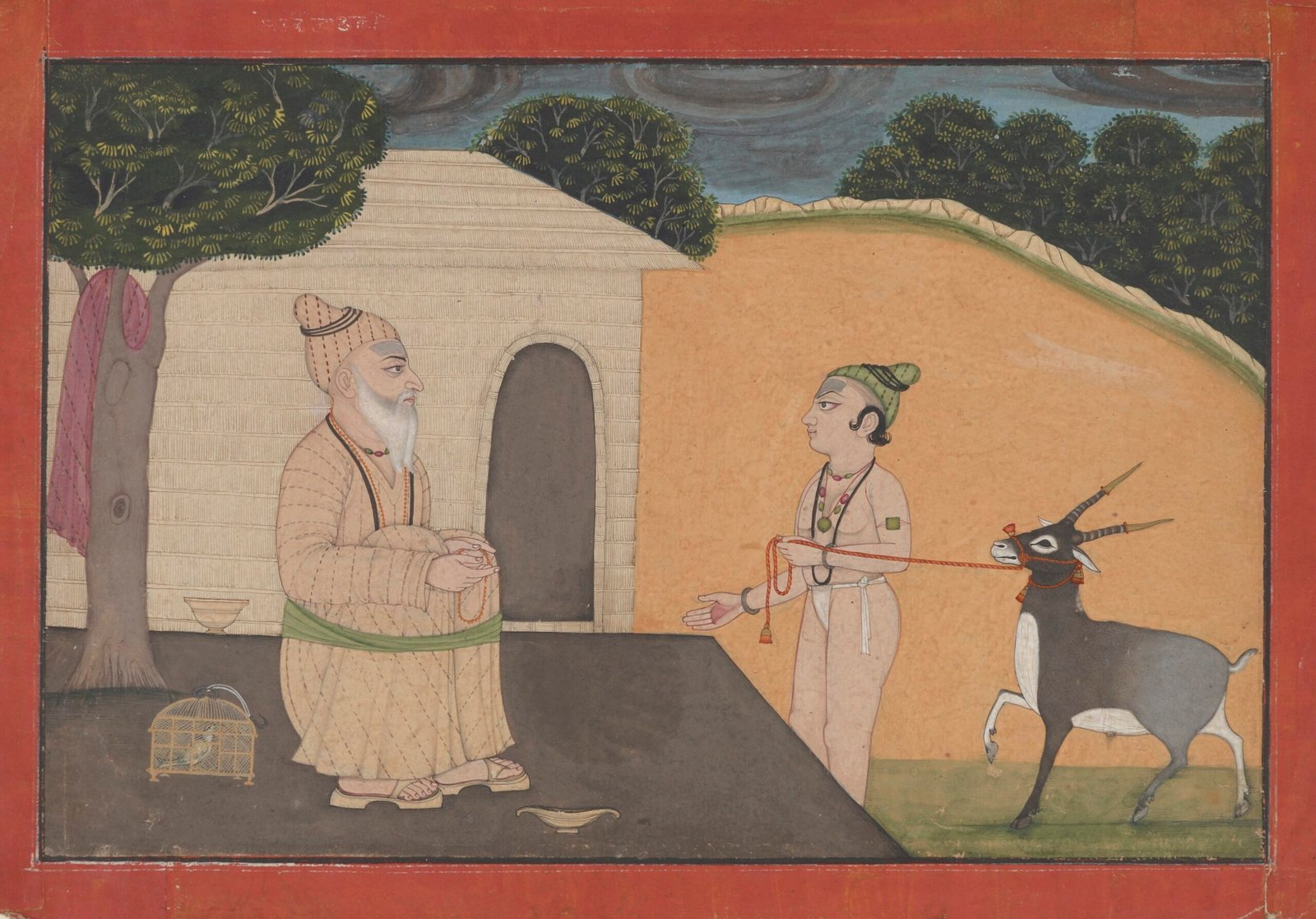
Uddalaka was born about 200 years before Gautama Buddha. He is regarded as one of the earliest philosophers and natural thinkers in the recorded history of humanity. Cheenta’s School for Mathematical Sciences is inspired by his work. A central feature of Uddalaka’s thought, as found in the Brihadaranyaka Upanishad and the Chandogya Upanishad, is enquiry driven by a burning sense of curiosity.
Cheenta’s after-school programme for thinkers and doers is presently open to children between the ages of 6 and 11. It is frugal by design and driven by mathematical sciences and creativity.
As of August 2026, students engage with our faculty team twice a week. The faculty members at Cheenta are themselves deeply involved in non-routine problem-solving, research, and business collaborations. They bring the experience and energy derived from their own ongoing journeys into the classroom.
Each session lasts three hours.
During the first hour, students work on carefully designed mathematical problems and hands-on laboratory activities. These activities are crafted to stimulate analytical thinking, reasoning, experimentation, and curiosity.
Example 1: Start with a dot diagram and draw a sequence of shapes on it, with each shape formed using straight line segments. Can you create a meaningful sequence in which every element is visually different from the others, while the number of dots touched increases by exactly 2 at each step?
Example 2: Cut a horizontal strip of paper. Twist one end and paste it on top of the other end, joining the two ends together. What happens if you cut through the middle of this object? What happens if you cut along a line closer to one of its edges?
During the second hour, students step outside the classroom and explore nearby natural and community spaces. They collect data, observe patterns, and interact with the community to develop a deeper understanding of the world around them. The observations and data they collect are subsequently brought back to the classroom and analysed using mathematical tools.
Example: Visit trees in your neighbourhood and collect 40 fallen leaves, taking no more than four leaves from any one tree. Do not pluck the leaves; collect only those that have already fallen to the ground. Count the number of veins on each leaf and organise your observations in a table. Plot the data on graph paper. Based on your observations, predict how many leaves with 10 veins your friend might find if they collected 100 leaves in a similar manner.
The third hour is devoted to artistic expressions inspired by discoveries made in the Patterns Lab and the Nature & Community Lab. These may involve painting, music, literature, theatre, or other forms of creative expression.
Example: Use the collected leaves to create eco-prints on small pieces of cloth. How does the pattern in your eco-print relate to the first problem from the Patterns Lab?
Each student maintains a reflection journal and writes in it after every session. Teachers read and comment on these journals. At the end of every 16-week period, students share key ideas, discoveries, and reflections from their journals with parents and teachers.
The journal, teachers’ comments, and student presentations together form the basis for reviewing and evaluating each student’s progress.
Cheenta aims to nurture a happy, curious, and creative childhood for children in elementary school. The programme is designed to build skills in non-routine problem-solving, experimentation, observation, and imaginative pursuits.
As they progress, students are expected to develop the intellectual independence and creative confidence needed to engage meaningfully with mathematical olympiads, science fairs, and research projects.

Publishing original scientific research in a peer-reviewed journal is an achievement many scholars work toward for years. Achieving this feat early in one's academic journey requires exceptional intellectual rigor, creativity, and persistence. Aaditya Punatar and Muskan Sadana have reached this remarkable milestone, successfully publishing their collaborative research paper in the prestigious Journal of Emerging Investigators […]
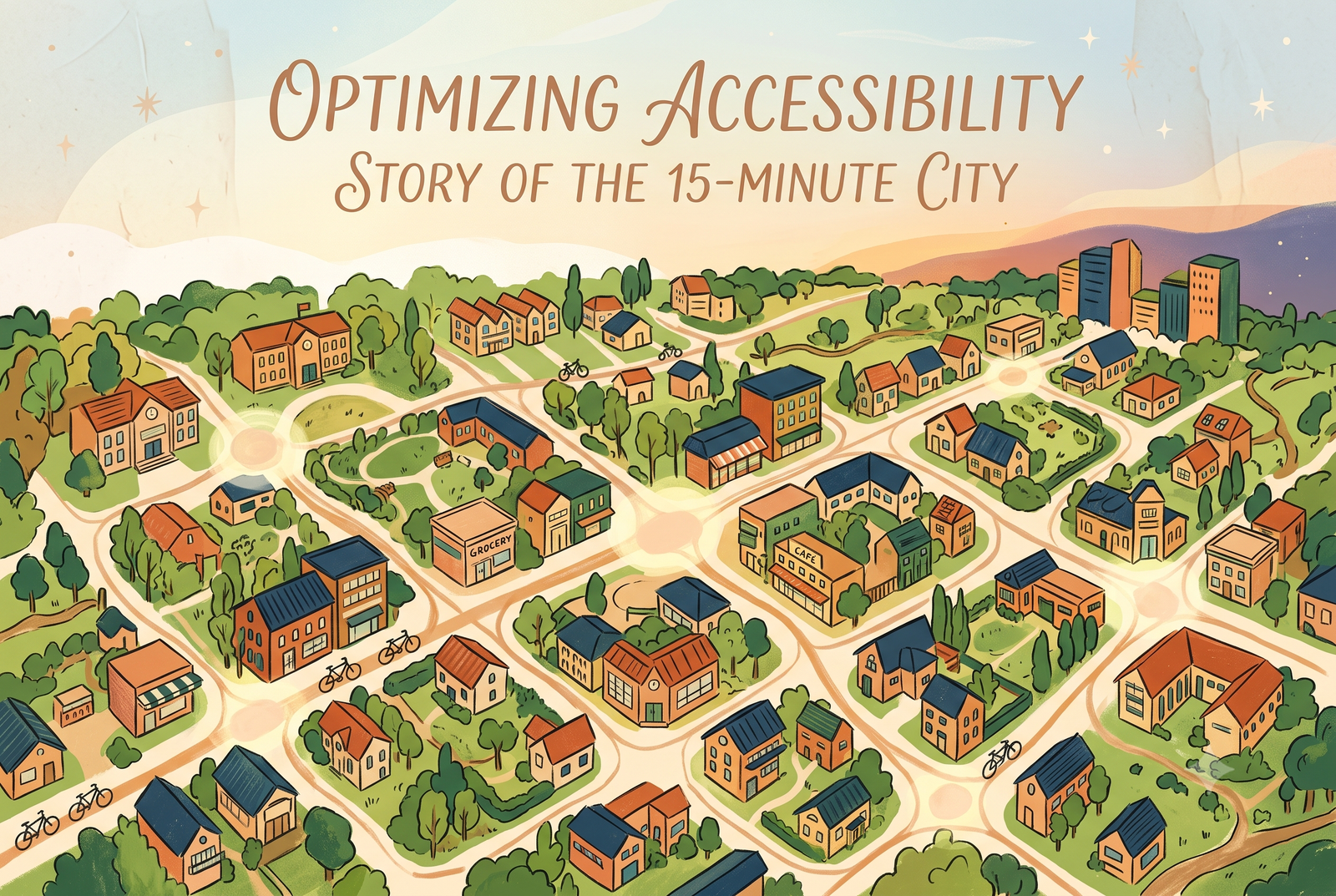
Her project on quantum-accelerated Steiner trees for 15-minute cities earned a place among the finalists at the world's largest pre-college STEM competition. Prishaa Shrimali of Marymount School of New York, was selected as a Grand Finalist at the 2026 Regeneron International Science and Engineering Fair (ISEF) in Phoenix, Arizona. Her project was Optimizing Urban Accessibility: […]
In 2026, the following Cheenta students have been successful for Indian Statistical Institute's M.Stat Entrance. They ranked within the first 50 in the entire country in these entrances. I.S.I. M.Stat Entrance
In 2026, the following Cheenta students have been successful for Indian Statistical Institute's B.Stat Entrance and Chennai Mathematical Institute's B.Sc. Math Entrance. They ranked within the first 200 in the entire country in these entrances. Most of these students attended the problem solving workshops regularly, which happen 5 days every week. CMI B.Sc. Math Entrance […]