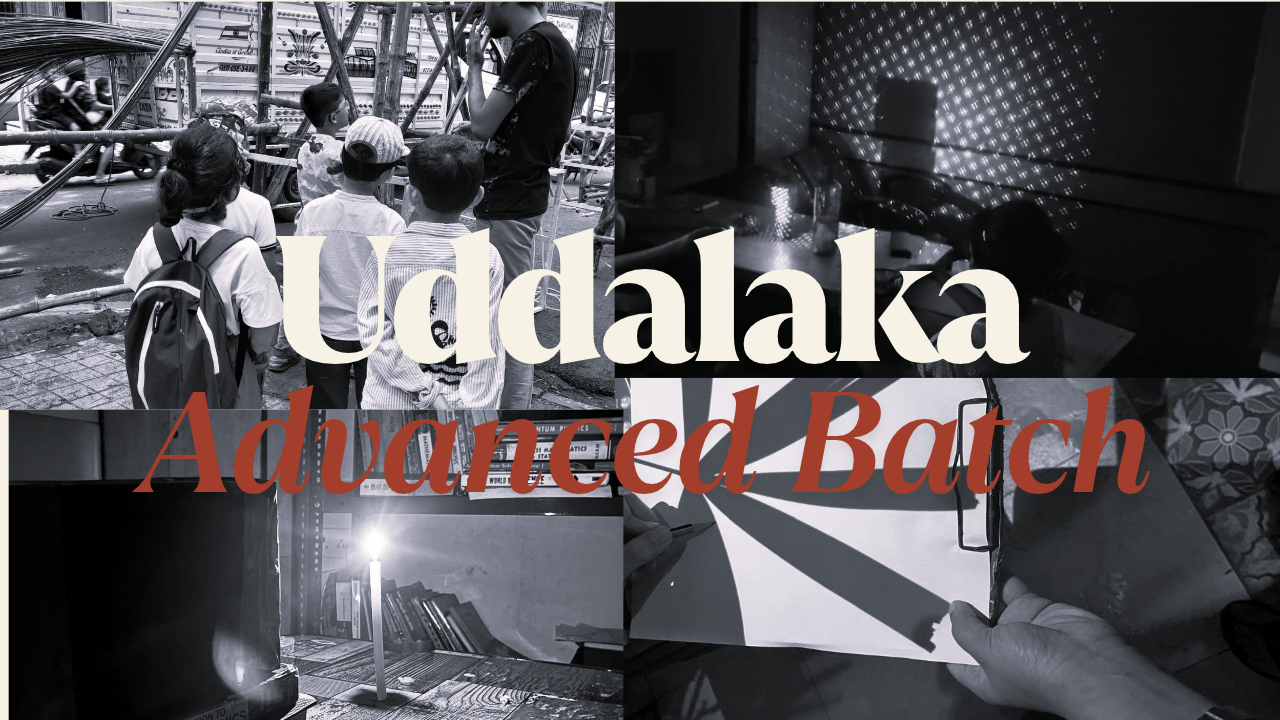
This week's learning was hands-on and focused, with physics taking centre stage and mathematics introducing a new and elegant idea.
In the Physics session, the children moved from the screen to real materials and built a circuit on paper using aluminium foil, a 3V CR2032 battery and an LED connected in series. The foil acted as the conducting path, and the children had to place the LED and battery carefully so that the current could flow and the light could glow. Once this worked, they made a similar circuit using copper tape, with the same battery and an LED, and compared how the two materials performed.
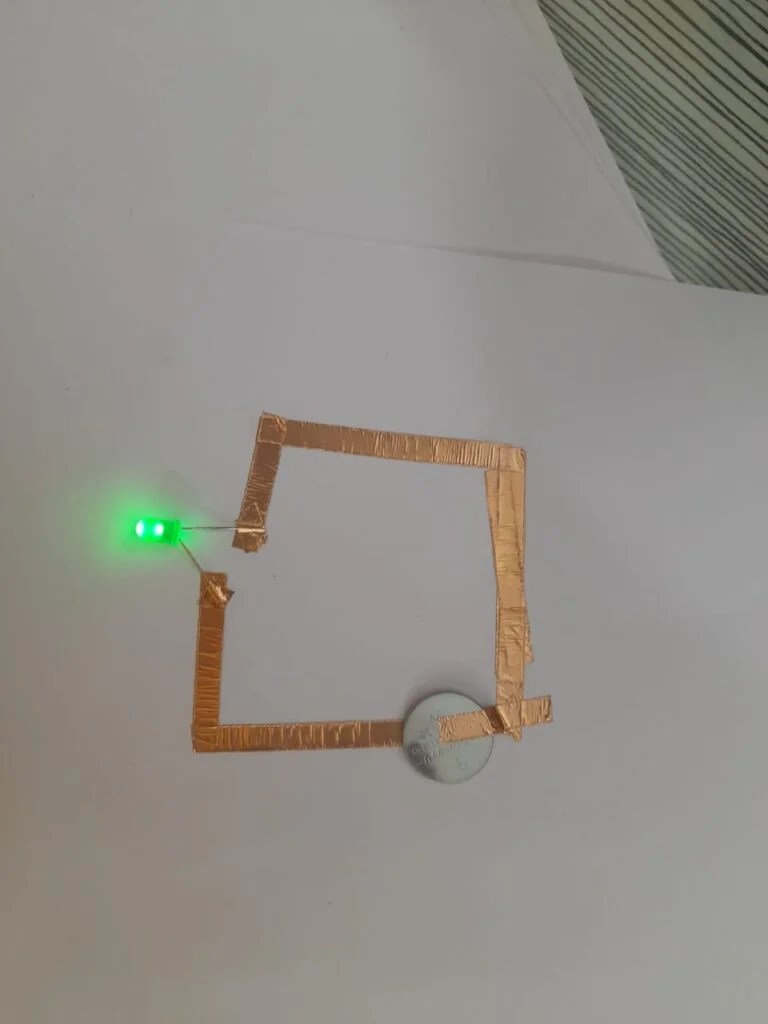
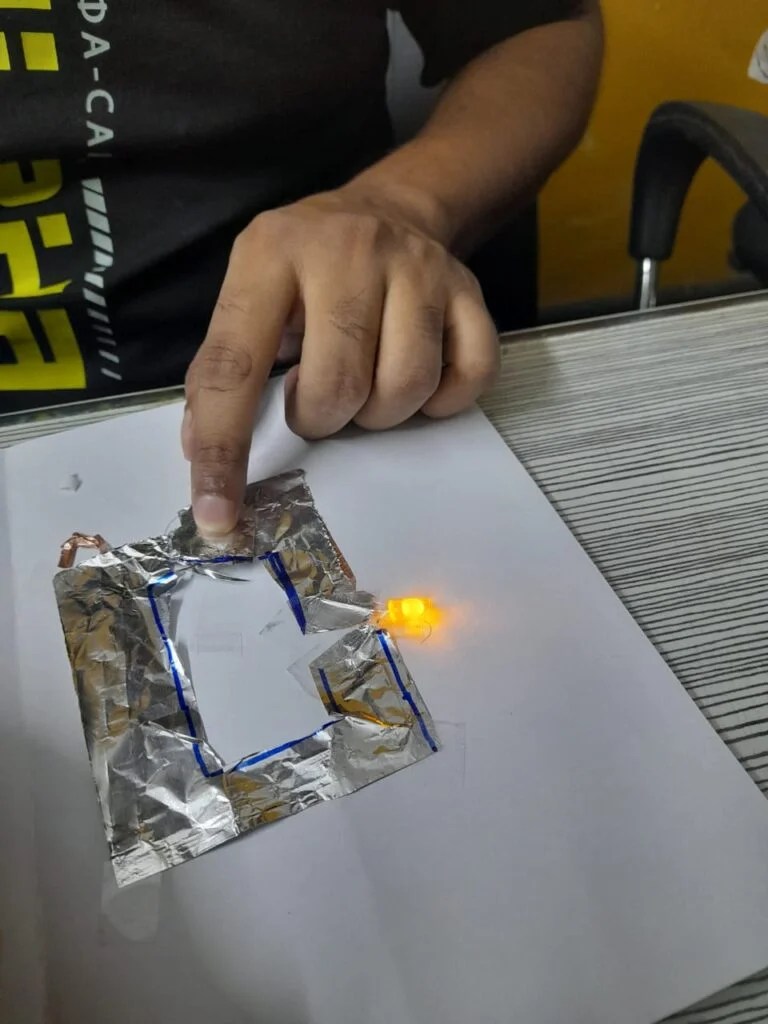
There was no outdoor module this week. The experiment demanded patience and precision, and it took considerable time, since even a small gap or misplaced connection stopped the LED from lighting. The children worked through these difficulties, troubleshooting as they went, and learnt that a circuit must be complete and correctly oriented to work.
In the Mathematics session, the class was introduced to Hamiltonian cycles. Building on their earlier study of Eulerian trails, which cross every edge once, they learnt that a Hamiltonian cycle instead visits every vertex exactly once and returns to its starting point. The children saw how the focus shifts from edges to vertices, and how finding such a cycle can be surprisingly tricky.
Together, these activities combined patient hands-on experimentation with abstract thinking, giving the children a rewarding and enjoyable week of discovery that connected practical skills with mathematical reasoning.

Publishing original scientific research in a peer-reviewed journal is an achievement many scholars work toward for years. Achieving this feat early in one's academic journey requires exceptional intellectual rigor, creativity, and persistence. Aaditya Punatar and Muskan Sadana have reached this remarkable milestone, successfully publishing their collaborative research paper in the prestigious Journal of Emerging Investigators […]
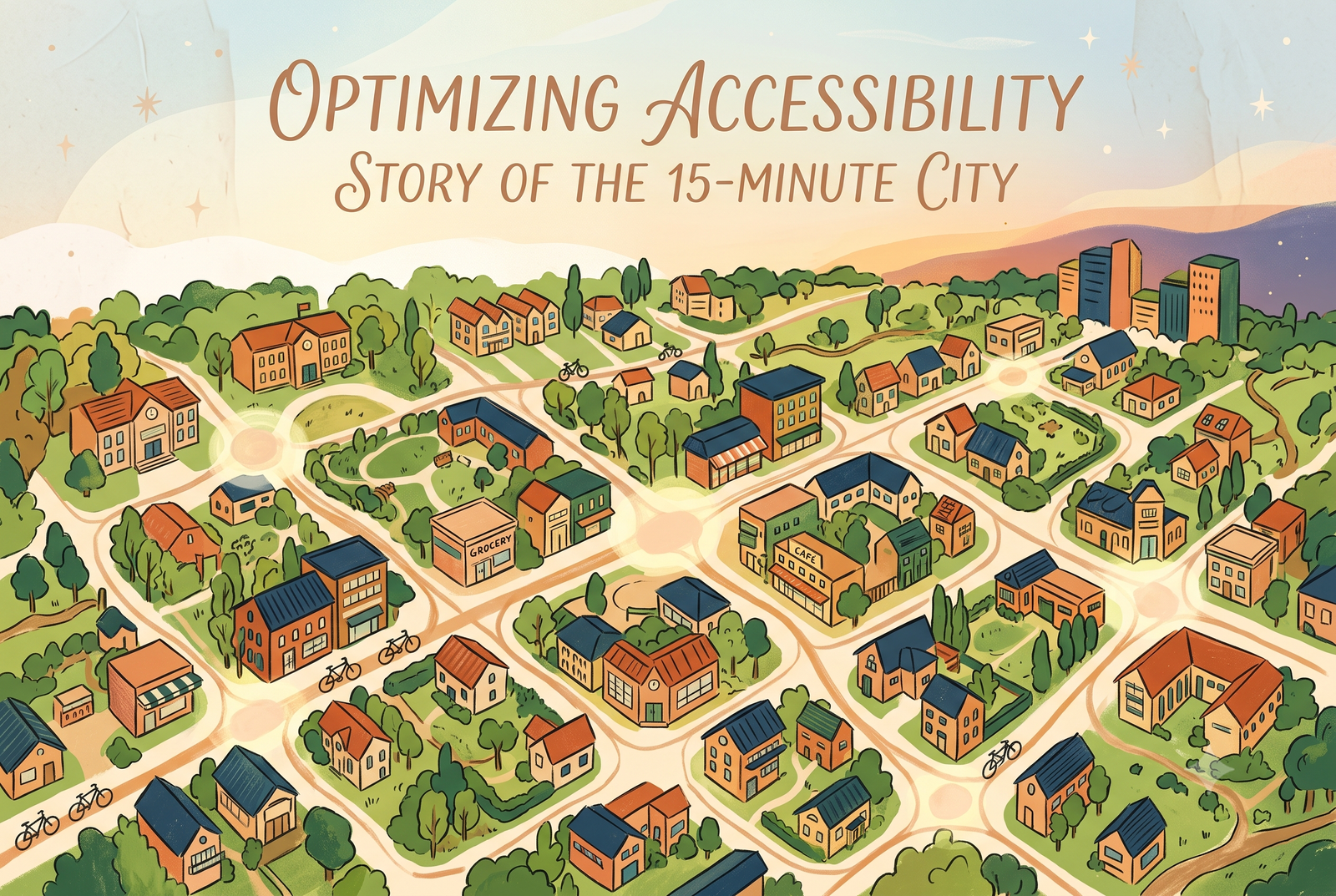
Her project on quantum-accelerated Steiner trees for 15-minute cities earned a place among the finalists at the world's largest pre-college STEM competition. Prishaa Shrimali of Marymount School of New York, was selected as a Grand Finalist at the 2026 Regeneron International Science and Engineering Fair (ISEF) in Phoenix, Arizona. Her project was Optimizing Urban Accessibility: […]
In 2026, the following Cheenta students have been successful for Indian Statistical Institute's M.Stat Entrance. They ranked within the first 50 in the entire country in these entrances. I.S.I. M.Stat Entrance
In 2026, the following Cheenta students have been successful for Indian Statistical Institute's B.Stat Entrance and Chennai Mathematical Institute's B.Sc. Math Entrance. They ranked within the first 200 in the entire country in these entrances. Most of these students attended the problem solving workshops regularly, which happen 5 days every week. CMI B.Sc. Math Entrance […]