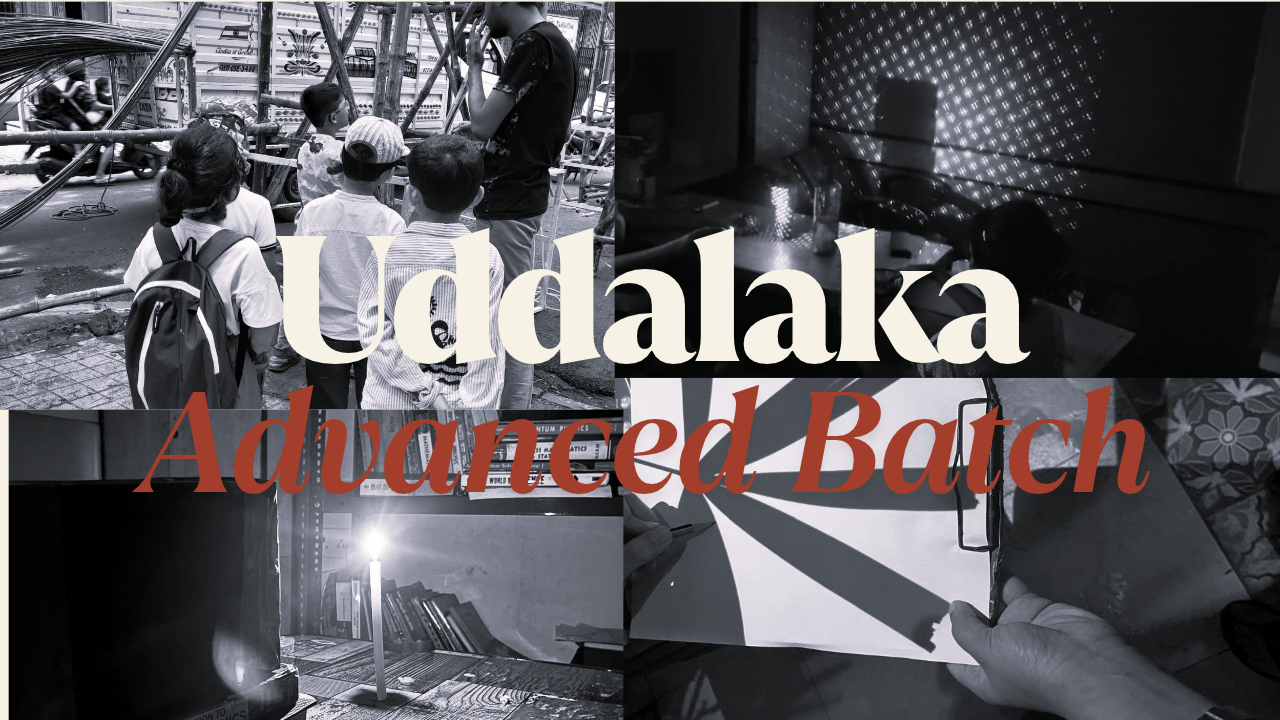
This week's learning brought together electricity and mapping, with the children applying their skills to practical, real-world problems.
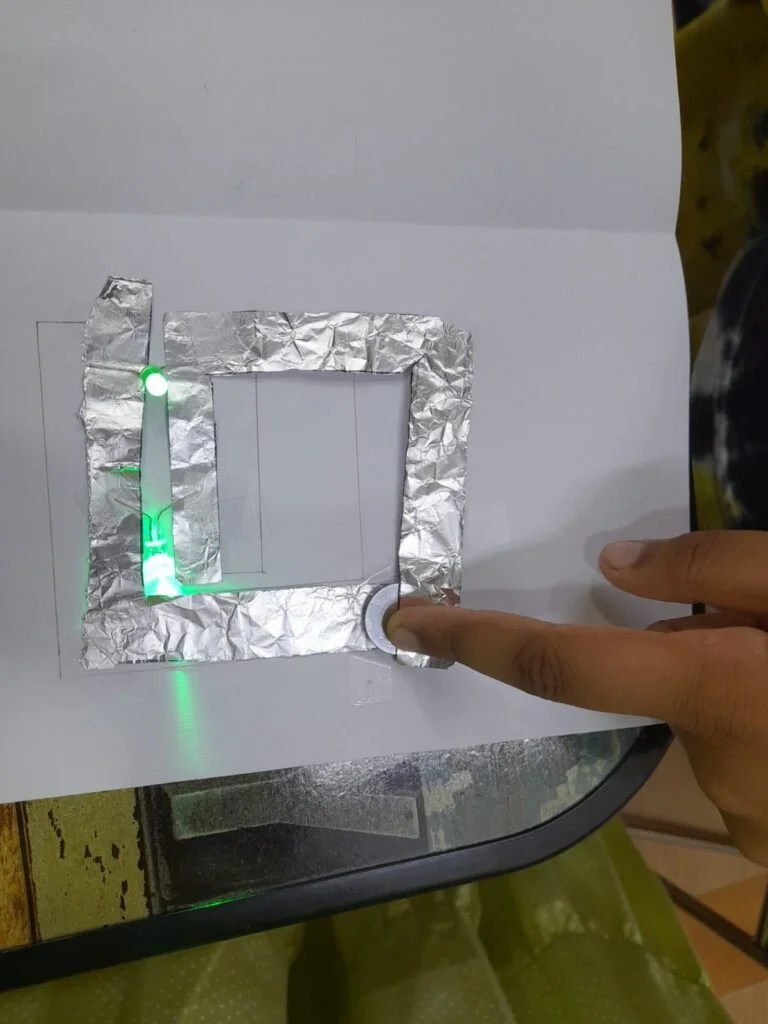
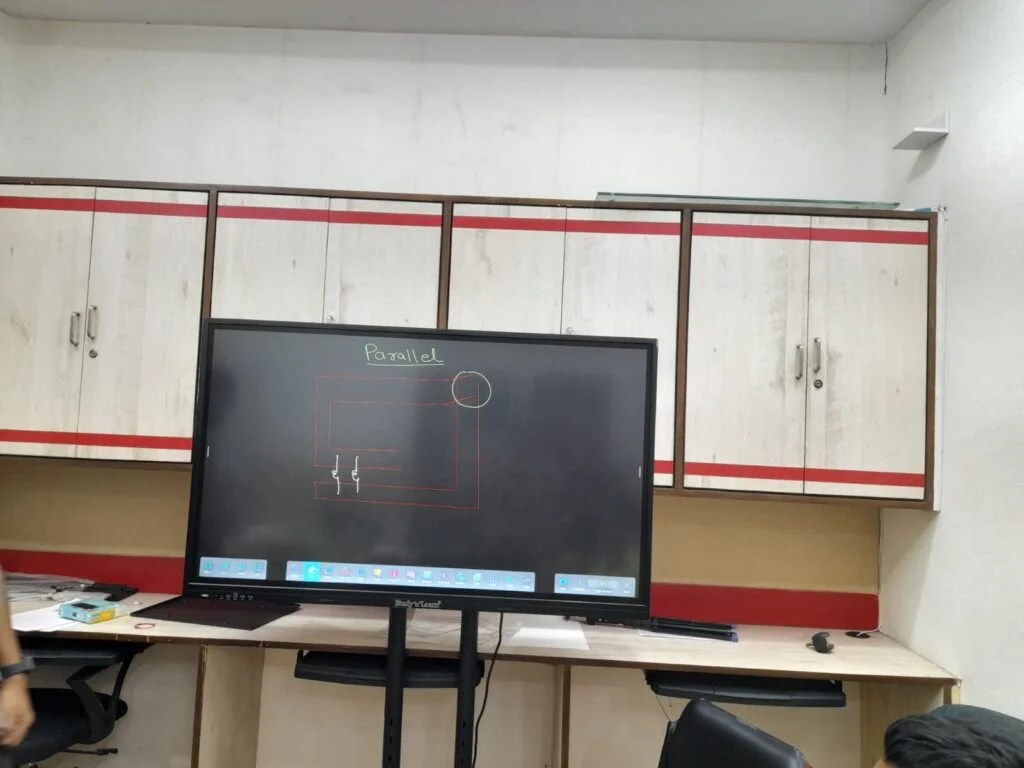
In the Physics session, the children built on their earlier work with series circuits and made a new circuit on paper using aluminium foil, a 3V CR2032 battery and two LEDs connected in parallel. Instead of a single path, the foil was laid out so that the current could travel along two separate branches, one for each LED. The children had to place the components with care, making sure that each branch was complete and that the battery was connected the right way round. When both LEDs lit up together, they could see for themselves how a parallel circuit differs from a series one, and they noticed that each LED glowed independently of the other.
In the Mathematics session, the class turned to a problem rooted in their own neighbourhood. Drawing on what they had learnt about graphs, the children learnt how to construct a graph using road junctions and pandal locations as its nodes, with the roads joining them as edges. Once the graph was drawn, they worked on finding the shortest cycle, a route that begins and ends at the same point while keeping the total distance as small as possible.
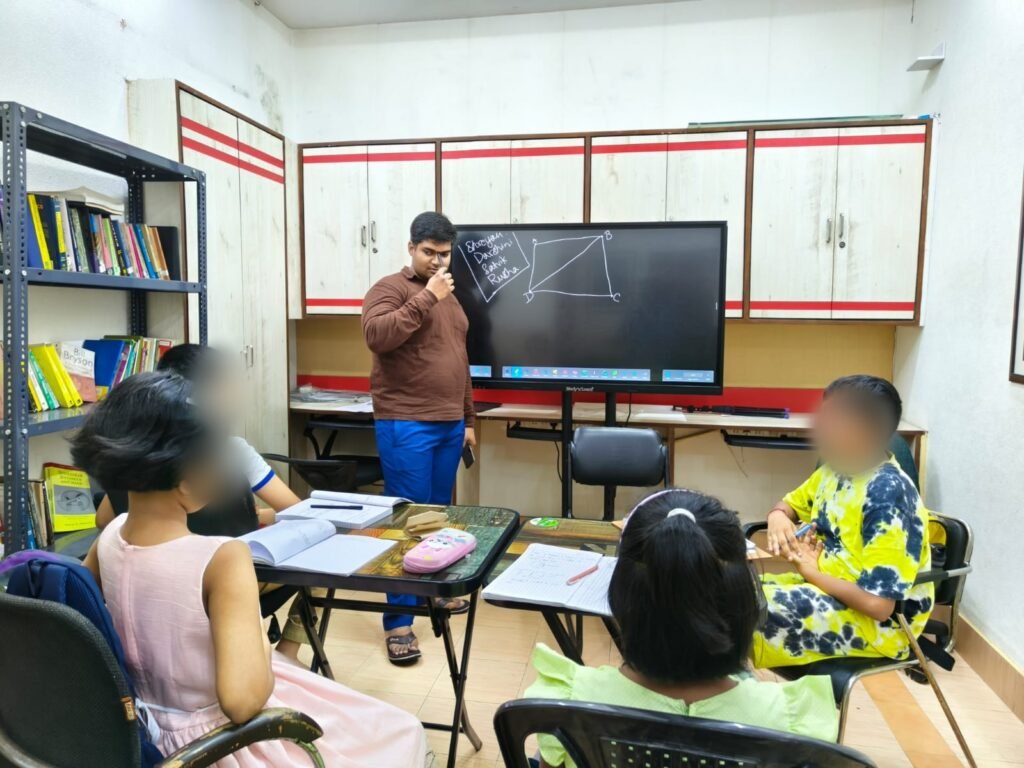
Through these two sessions, the children saw how circuits and graphs can both be used to model real situations. The hands-on circuit-making encouraged patience and precision, while the graph-based task strengthened logical reasoning and showed how mathematics can help plan a pandal-hopping route.

Publishing original scientific research in a peer-reviewed journal is an achievement many scholars work toward for years. Achieving this feat early in one's academic journey requires exceptional intellectual rigor, creativity, and persistence. Aaditya Punatar and Muskan Sadana have reached this remarkable milestone, successfully publishing their collaborative research paper in the prestigious Journal of Emerging Investigators […]
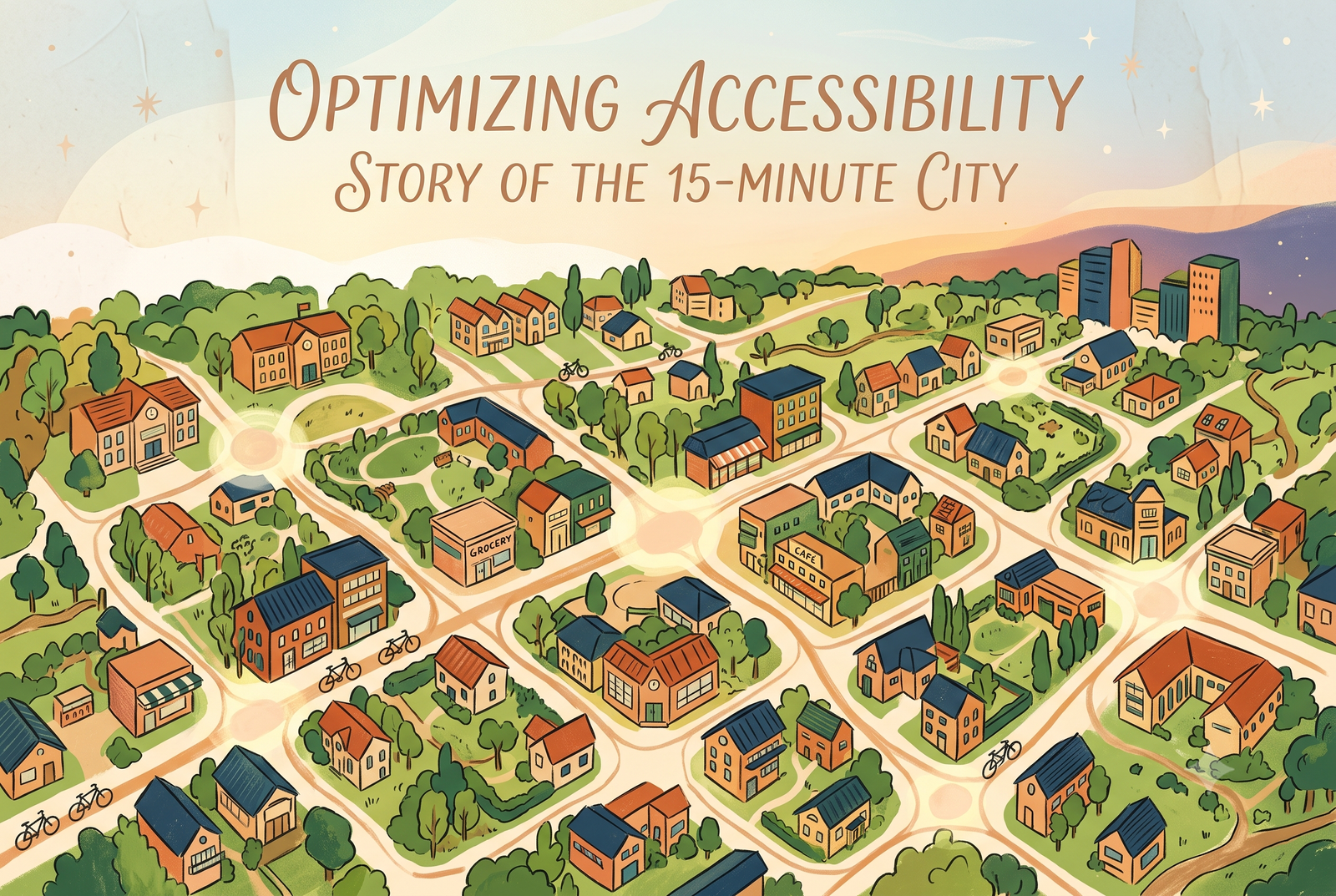
Her project on quantum-accelerated Steiner trees for 15-minute cities earned a place among the finalists at the world's largest pre-college STEM competition. Prishaa Shrimali of Marymount School of New York, was selected as a Grand Finalist at the 2026 Regeneron International Science and Engineering Fair (ISEF) in Phoenix, Arizona. Her project was Optimizing Urban Accessibility: […]
In 2026, the following Cheenta students have been successful for Indian Statistical Institute's M.Stat Entrance. They ranked within the first 50 in the entire country in these entrances. I.S.I. M.Stat Entrance
In 2026, the following Cheenta students have been successful for Indian Statistical Institute's B.Stat Entrance and Chennai Mathematical Institute's B.Sc. Math Entrance. They ranked within the first 200 in the entire country in these entrances. Most of these students attended the problem solving workshops regularly, which happen 5 days every week. CMI B.Sc. Math Entrance […]