August marks the pivotal month when the Cat-Scan app takes its final shape. The focus shifts from coding individual features to integrating the app, preparing for user testing, and fine-tuning the database and user interface. By the end of this month, the core functionalities—image capture, pupil detection, and AI predictions—are up and running, ready for doctor testing in September.
The month begins with the team working on integrating all the pieces that were developed earlier. The app now has a full image capture and processing flow. Students confirm that the cropping tool works, and a new feature is added to allow the cropping ring to shift, making it adaptable for off-center pupils. This was one of the suggestions that came up in earlier meetings, and it addresses one of the main challenges—ensuring accurate pupil detection in real-world, non-ideal conditions. The team also focuses on the functionality of saving image names and their associated IDs in the database, which is crucial for tracking and categorizing cataract images for machine learning purposes.
In parallel, the database receives attention. The images, along with their metadata (such as patient ID and cataract status), are stored properly. The team ensures that each image is linked to a unique identifier, making it easier to manage the data as the app scales. A critical task is setting up the database to handle a large volume of images—an essential consideration for this tool’s use in rural areas where many patients will need to be screened.
The app is also tested for user experience. The interface has been designed with simplicity in mind, offering easy-to-follow instructions for volunteers. The next step is to conduct internal testing, which involves capturing pupil images, saving them in the database, and running the AI model to predict cataract status. The goal is to complete this internal testing phase before the doctor testing scheduled for the third week of September.
Next Tasks (for September):
This August diary aligns well with the goals set out in May and June. May focused on understanding the problem, creating a detailed workflow, and setting up the necessary tools for data capture and processing. June continued the work with data cleaning and model pipeline creation, leading up to the design of a working capture system and the initial app prototype. August, as outlined here, completes the integration of these components, moving the project closer to real-world testing with doctors and improving the system for actual deployment.

Publishing original scientific research in a peer-reviewed journal is an achievement many scholars work toward for years. Achieving this feat early in one's academic journey requires exceptional intellectual rigor, creativity, and persistence. Aaditya Punatar and Muskan Sadana have reached this remarkable milestone, successfully publishing their collaborative research paper in the prestigious Journal of Emerging Investigators […]
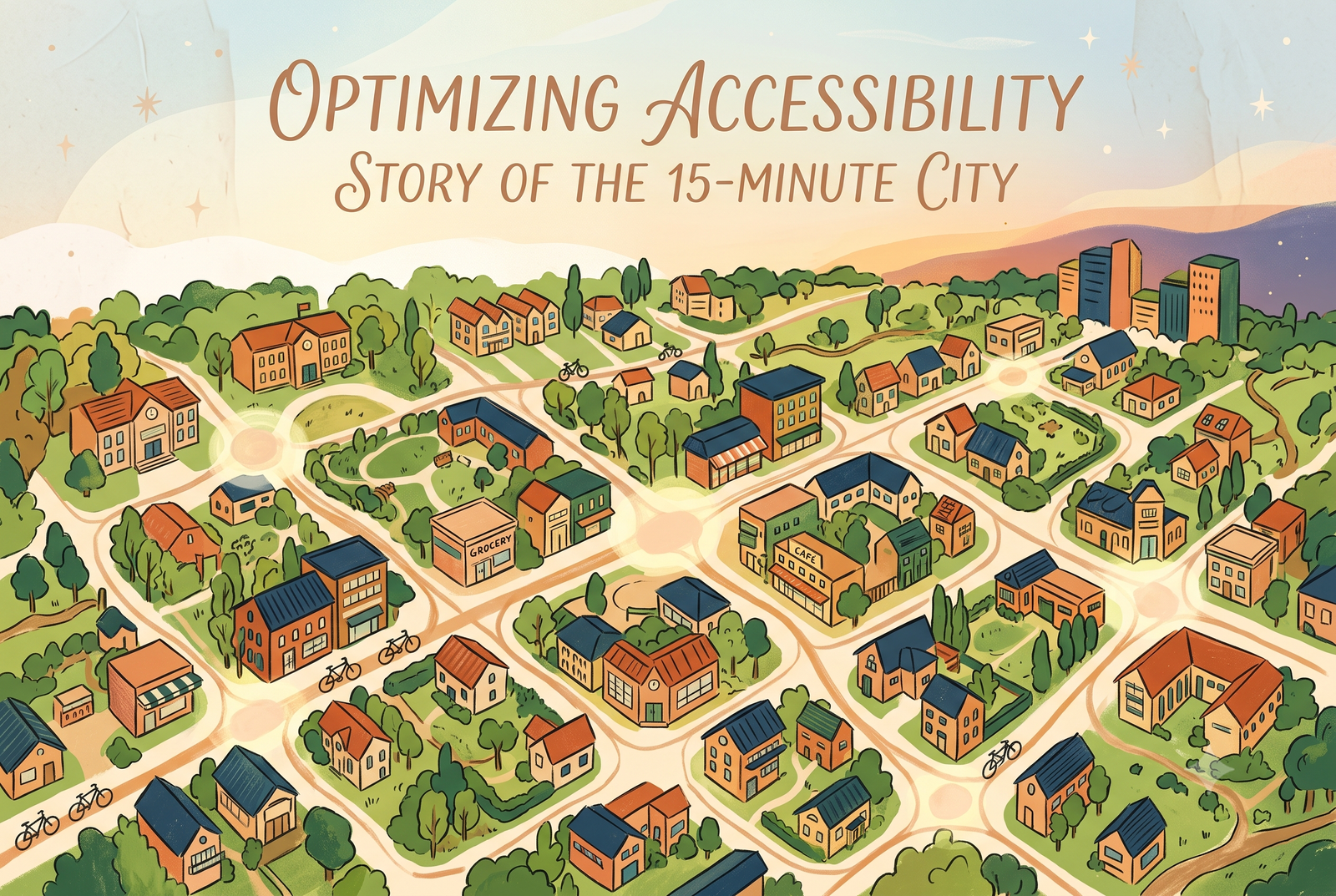
Her project on quantum-accelerated Steiner trees for 15-minute cities earned a place among the finalists at the world's largest pre-college STEM competition. Prishaa Shrimali of Marymount School of New York, was selected as a Grand Finalist at the 2026 Regeneron International Science and Engineering Fair (ISEF) in Phoenix, Arizona. Her project was Optimizing Urban Accessibility: […]
In 2026, the following Cheenta students have been successful for Indian Statistical Institute's M.Stat Entrance. They ranked within the first 50 in the entire country in these entrances. I.S.I. M.Stat Entrance
In 2026, the following Cheenta students have been successful for Indian Statistical Institute's B.Stat Entrance and Chennai Mathematical Institute's B.Sc. Math Entrance. They ranked within the first 200 in the entire country in these entrances. Most of these students attended the problem solving workshops regularly, which happen 5 days every week. CMI B.Sc. Math Entrance […]
