Hundred Miles: Empowering First-Generation Learners through Skill Development
 Join Trial or Access Free ResourcesJoin Trial or Access Free Resources
The Hundred Miles project is a grassroot leadership initiative led by Cheenta Academy with the aim of addressing a critical yet often overlooked challenge in India’s development system—the persistent skill deficit in rural and semi-rural regions. While access to education and training opportunities has expanded in urban centres, a significant gap remains in neighbouring rural areas, not only in terms of skill availability but also in motivation and aspiration for up-skilling.
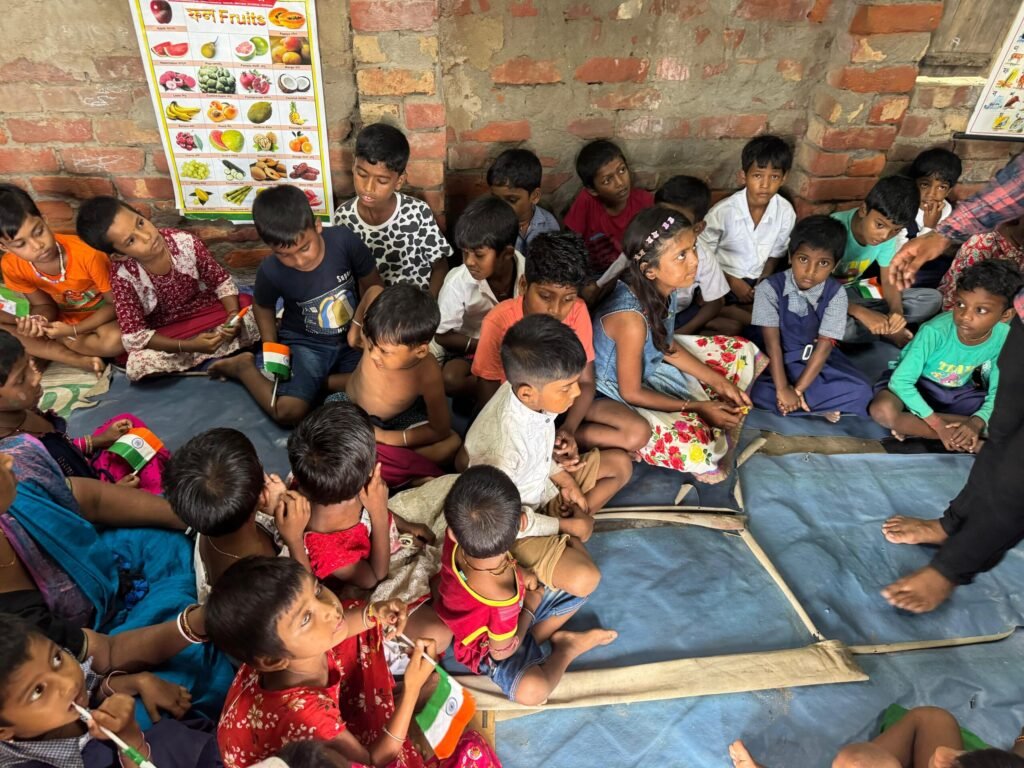
A defining socioeconomic characteristic of the participants in the Hundred Miles project is their family income background. Most school and college students engaging in the upskilling and leadership interventions come from households with a monthly family income of ₹10,000 or less.
Studies and national-level surveys indicate that in rural regions, nearly 90–92% of households fall within this income bracket, reflecting widespread economic vulnerability and dependence on low-paying or informal livelihoods. In semi-urban areas, where limited urban influence creates slightly diversified income opportunities, the proportion is lower but still substantial, with an estimated 40–60% of families earning ₹10,000 or below per month. This economic reality directly shapes students’ access to resources, exposure, and confidence, reinforcing the need for leadership-focused interventions that prioritise motivation, aspiration-building, and long-term capacity development alongside skill acquisition.
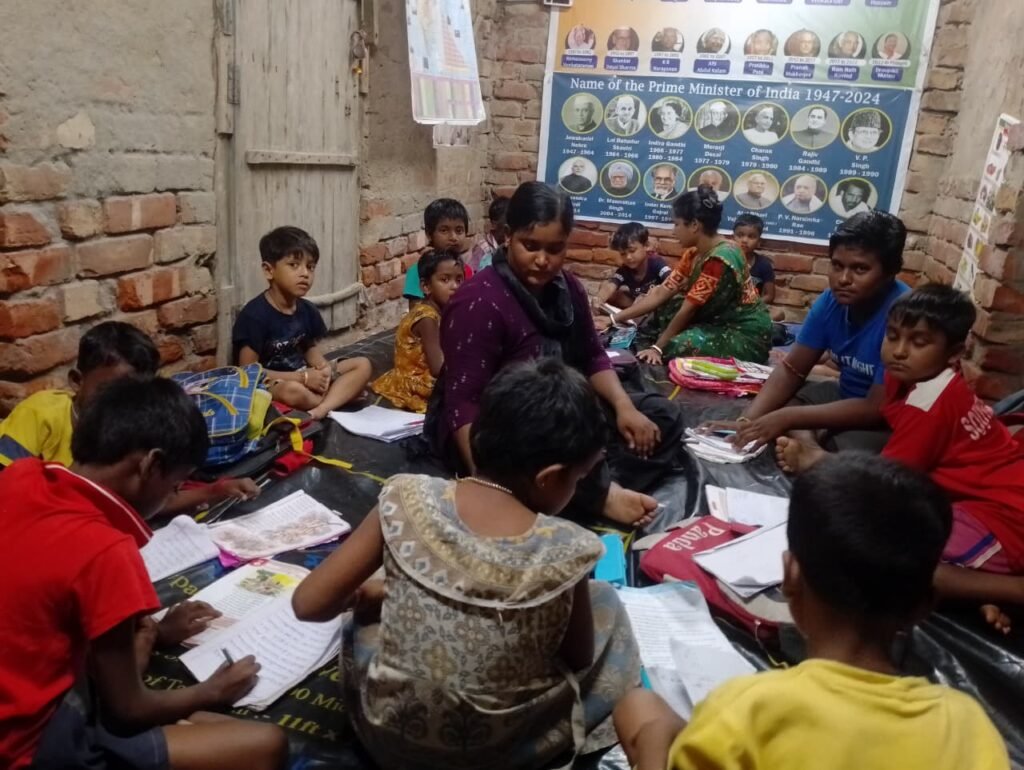
Many of these participants are first-generation learners who work as teachers in small coaching centres in suburban areas and earn only a small amount of money. Even though they teach others, they themselves come from very weak economic and social backgrounds, with limited exposure and support. Because of daily financial pressure, they often lack the motivation to focus on improving their own skills. Seeing this challenge, the Leadership wing of Cheenta Academy started the Hundred Miles project with a simple question: how can these young teachers be motivated? The idea behind the project is that motivation grows when people start earning with dignity and see real possibilities for their future. By helping them earn, introducing them to small-scale entrepreneurship, and training them in digital literacy, the project aims to build confidence and purpose. This, in turn, helps them become more motivated learners and more enthusiastic teachers for the children in their communities.
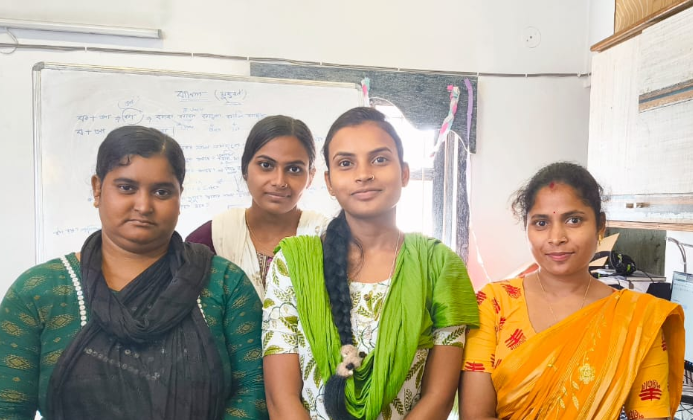
In its initial phase, the Hundred Miles project began on a small and experimental scale. The project was launched in September 2025 with four women participants from Katamari Village in the Sundarban region. Subsequently, two more women joined the initiative. However, despite initial interest and engagement, these participants were unable to continue due to strong family pressures, social constraints, and instances of discouragement and mockery from their surroundings. This early phase highlighted the deep-rooted social barriers that often limit women’s sustained participation in upskilling and leadership programmes in rural contexts.
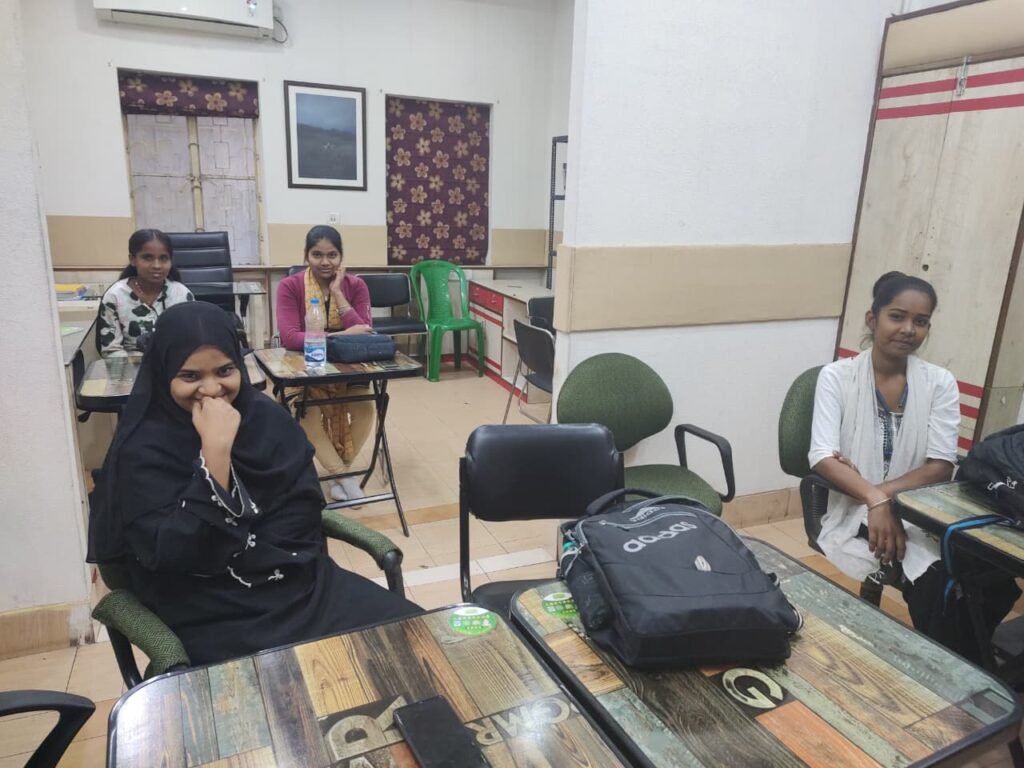
In late October, the project took a new direction with the inclusion of three school- and college-going girls from Kankinara and Halisahar, two small towns located in the suburban belt of Kolkata. These participants began attending regular sessions at Cheenta Academy’s Kalighat Enrichment Centre. At the centre, they are being trained in practical and context-relevant skills such as digital marketing, English communication, and everyday functional knowledge, including understanding directions and routes, reading medicine expiry dates, and developing general awareness required for independent living and work.
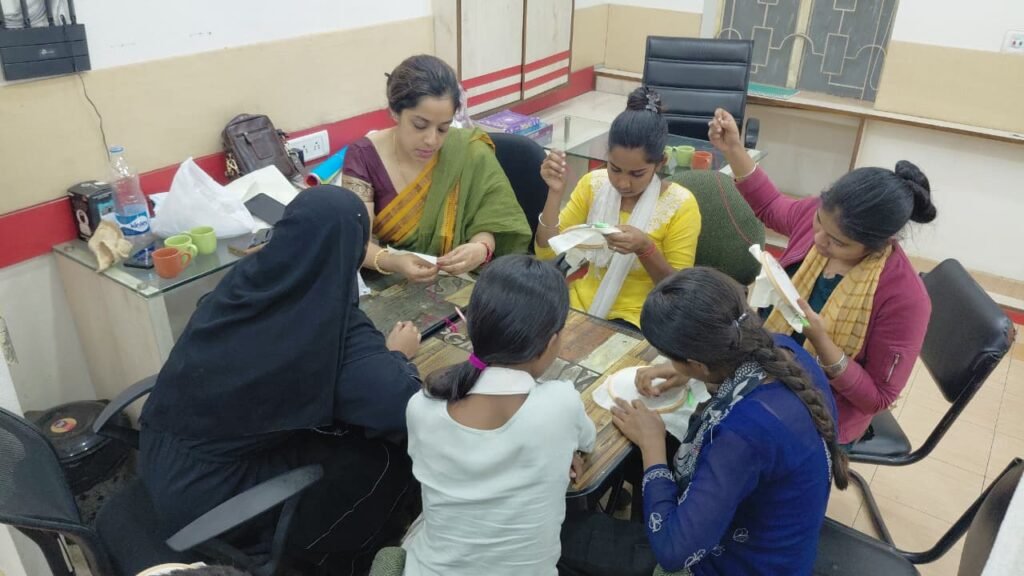
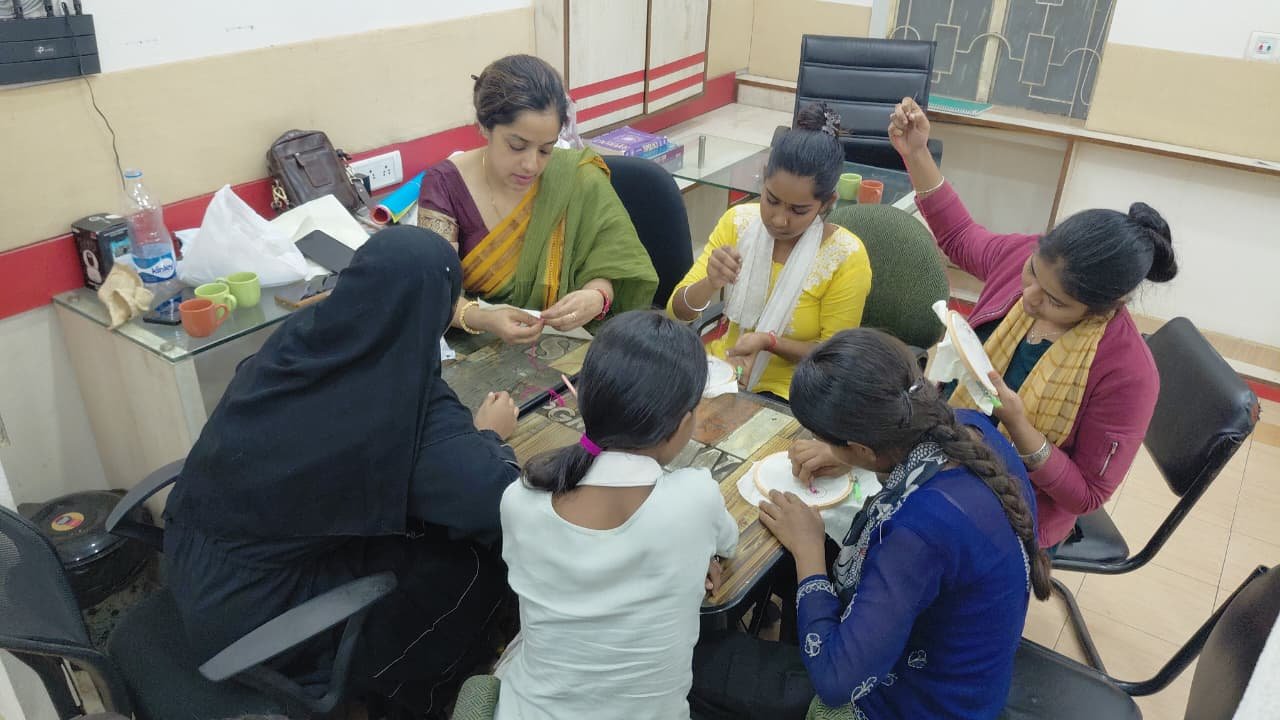
More recently, the project has expanded its scope through collaboration with a local entrepreneur who conducts weekly workshops on embroidery and handicrafts. Through these sessions, the participants are learning income-generating skills that can be practised from their homes, allowing them to balance family responsibilities with economic activity. At the same time, the project is exploring ways to connect them with the local organic labour and product market. With these opportunities, the participants can slowly start earning, while also gaining confidence, independence, and motivation for their future.
An economic support model has also been introduced as part of the project to encourage regular participation. To attend the sessions at the centre, each participant receives ₹250 per week, and those who attend continuously for four weeks are provided ₹1,500 as support for skill training. This model was designed with the belief that small but regular financial assistance could reduce immediate economic pressure and help generate interest and commitment among participants.
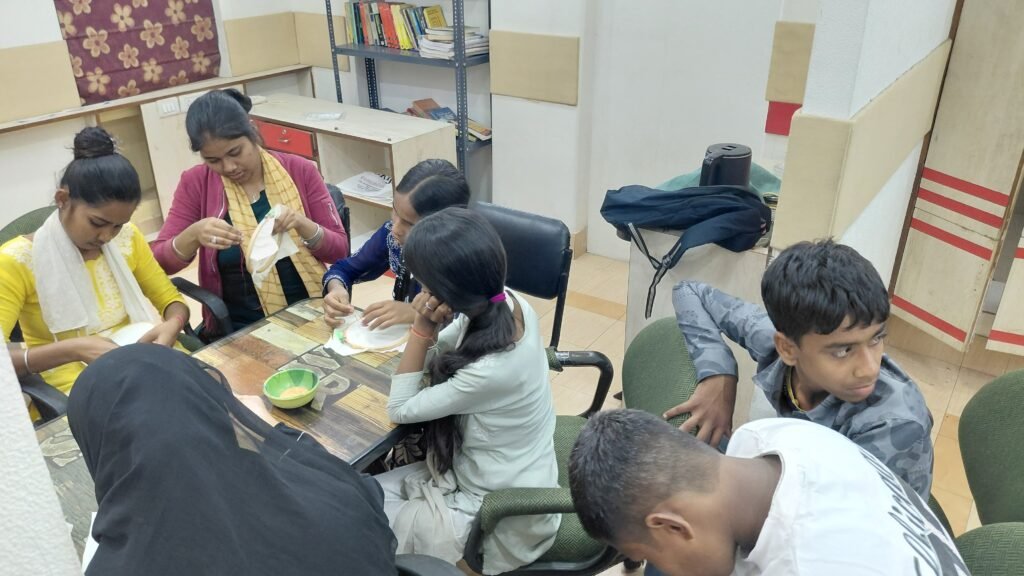
While this approach did not prove effective for the participants from the Sundarban region, it has shown positive results among the students from Kankinara. At present, eight students are attending the sessions regularly, indicating that the economic model, combined with skill-based learning and mentoring, is helping sustain engagement and motivation in this context.